Advanced peptide & wellness care
Peptide Therapy
Explore clinician-led therapies and personalized care options.
Peptide Therapy
Peptide therapy uses targeted chains of amino acids—called peptides—to support cellular communication, regulate biological functions, and promote healing throughout the body. Because peptides act as natural signaling molecules, they can influence processes such as metabolism, inflammation, tissue repair, hormone balance, immune function, and cognitive performance. This makes peptide therapy a versatile option for individuals seeking improved wellness, recovery, and vitality.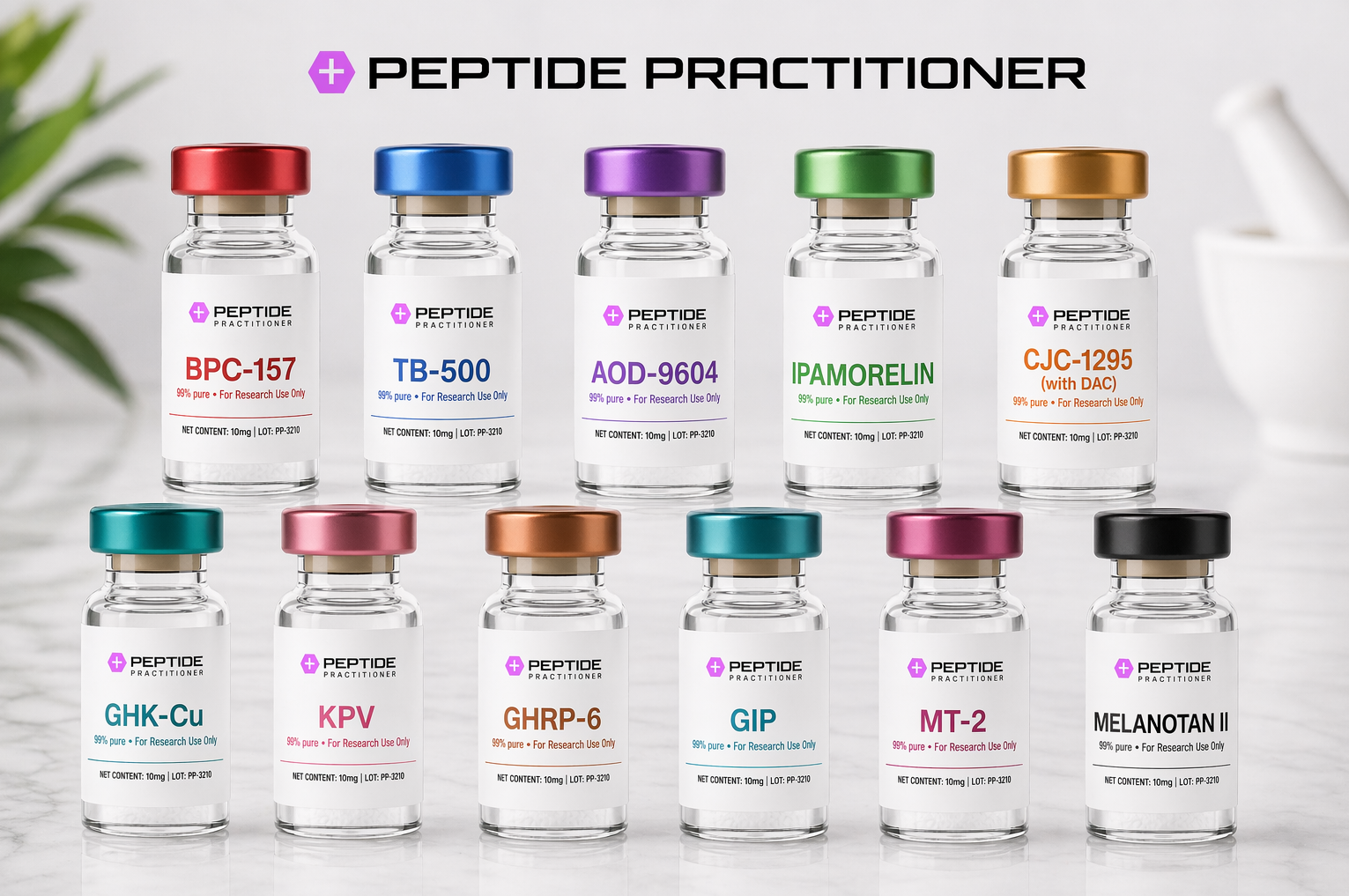
What Peptides Do in the Body
Peptides are short sequences of amino acids that act like messengers, telling cells how to function and respond. As the body ages or experiences stress, injury, or hormonal shifts, natural peptide levels decline. Supplementing with specific peptides can help:- Enhance cellular repair and regeneration
- Improve metabolic efficiency and fat loss
- Support immune system activity
- Boost energy, stamina, and recovery
- Improve sleep quality and cognitive clarity
- Regulate inflammation and oxidative stress
Purpose of Peptide Therapy
Peptide therapy is used to address a wide range of health and performance concerns. Common goals include:- Increasing energy and reducing fatigue
- Supporting weight management and fat metabolism
- Enhancing muscle recovery and athletic performance
- Improving skin elasticity, collagen production, and anti‑aging effects
- Supporting hormone balance
- Improving sleep and stress resilience
- Enhancing cognitive function and mental clarity
- Supporting joint, tendon, and ligament healing
How Peptide Therapy Is Administered
Peptides can be delivered in several forms depending on the specific compound and treatment goals:- Subcutaneous injections for systemic absorption
- Oral capsules or tablets for digestive‑friendly peptides
- Topical creams for skin‑focused peptides
- Nasal sprays for neurological or metabolic peptides
See Peptide Protocol and Dosing Calculator for details.
Common Types of Peptides
Different peptides target different systems. Frequently used categories include:- Metabolic peptides for fat loss and energy balance
- Growth and repair peptides for muscle, tendon, and tissue healing
- Immune‑modulating peptides for inflammation and recovery
- Cognitive peptides for focus, memory, and mood
- Anti‑aging peptides for skin health, collagen support, and vitality
- Sleep‑support peptides for circadian rhythm and restorative rest
Effectiveness and Considerations
Many patients report improved energy, better recovery, enhanced mood, and noticeable changes in body composition or performance. Results vary depending on the peptide used, overall health, and consistency with treatment. Peptide therapy is most effective when paired with supportive habits such as:- Balanced nutrition
- Regular physical activity
- Stress management
- Adequate sleep
- Hormonal and metabolic monitoring when appropriate
Aftercare and Monitoring
Peptide therapy typically requires periodic follow‑ups to assess progress, adjust dosing schedules, and monitor overall response. Mild, temporary side effects—such as localized irritation at injection sites—may occur but are generally minimal.Long‑term success depends on consistent use, lifestyle alignment, and regular clinical oversight.
Summary
Peptide therapy offers a targeted, biologically aligned approach to improving energy, metabolism, recovery, cognitive function, and overall wellness. By enhancing the body’s natural signaling pathways, peptides support healing and performance in a way that is both precise and adaptable, making them a valuable option for individuals seeking optimized health and vitality.*For laboratory research use only. Not for human consumption.